
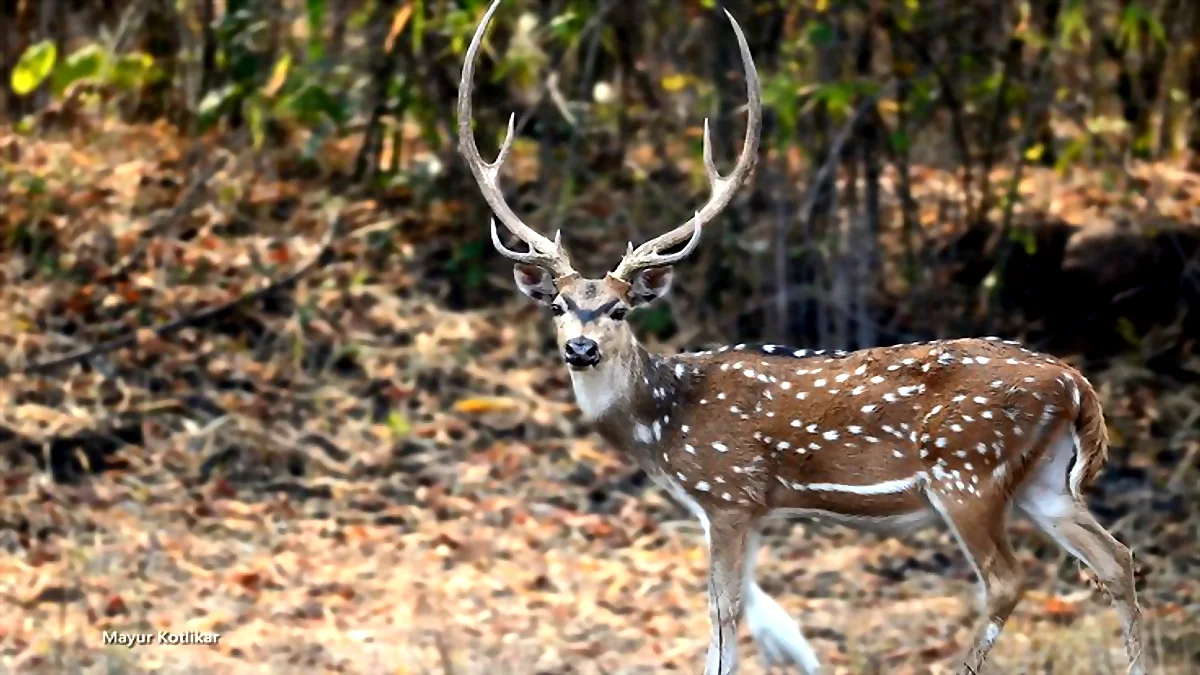
Axis Deer (Chital): lifestyle and very Amazing Facts
The axis deer, also known as the spotted deer, is a beautiful animal. It comes from the subcontinent. It is known for its spots, big antlers, and graceful movements. People have taken the deer to other places like Texas and Hawaii. The deer lives in groups. A deer uses its senses to stay safe from predators that might harm it. If you want to know what the axis deer eats and are interested in hunting it, or simply wish to learn more about this deer found in Texas and Hawaii, then this is the perfect place to find out.
Here are some quick facts about axis deer
- Name: Axis Deer
- Names: Chital Spotted Deer
- Family: Cervidae
- Order: Artiodactyla
- They live for 9 to 15 years when they are in the wild.
- The weight of a deer is between 55 and 110 kg.
- When they stand on their legs, their height is between 70 and 90 centimetres.
- You can find deer in forests, grasslands and woodlands.
- Tigers, leopards, wild dogs, and crocodiles prey on deer.
- Deer can run at speeds of approximately 40 miles per hour, which helps them escape from predators.
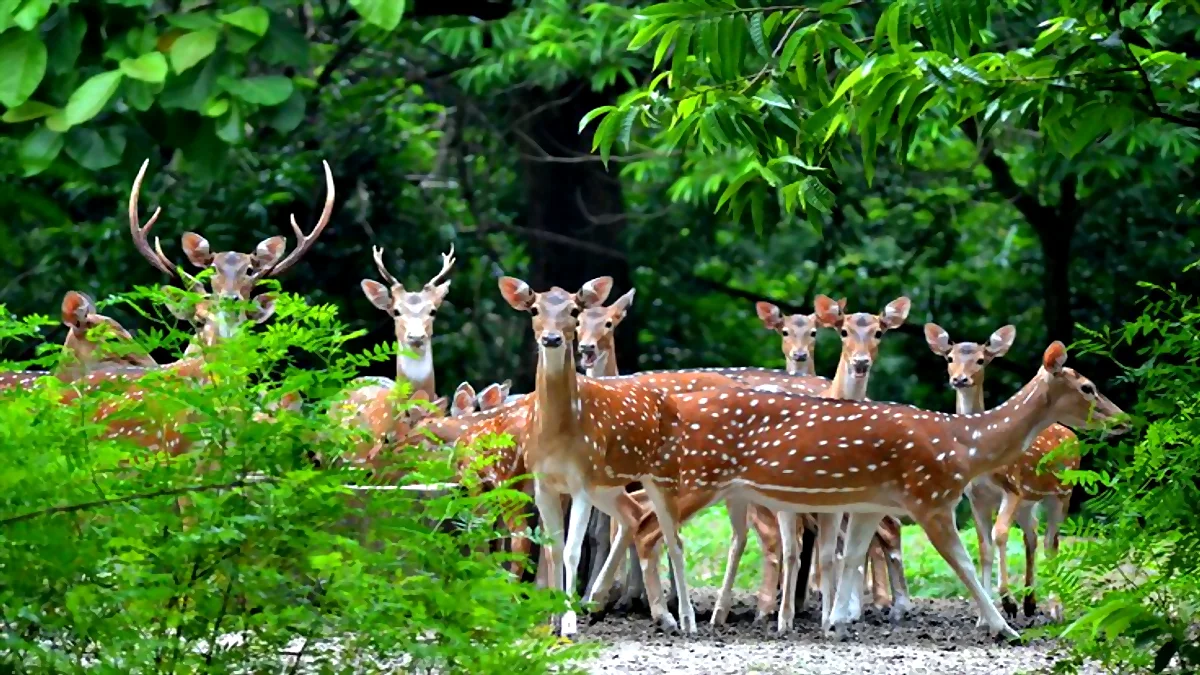
What is the axis deer?
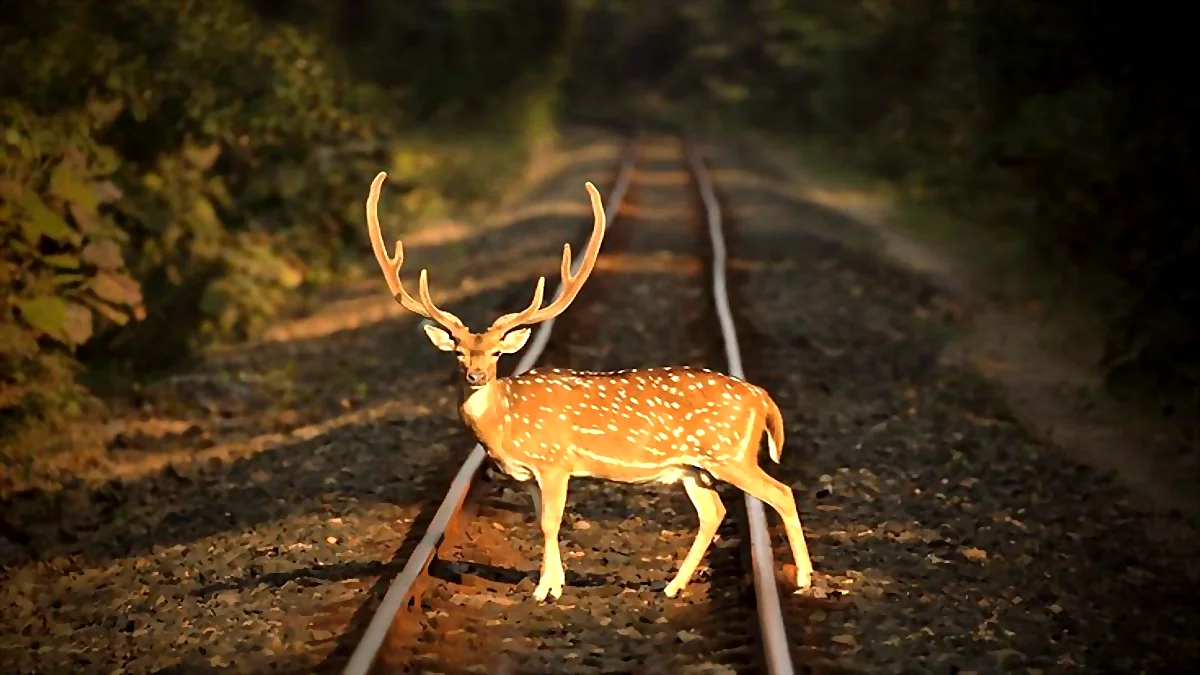
This deer is very beautiful. It has a coat with white spots on it. That is how it got the name spotted deer. The name chital comes from languages spoken in the subcontinent, where the axis deer’s originally from. It has long played a significant role in local ecosystems. They help keep the plants from growing much and are also food for big animals like tigers and leopards.
It is a looking animal. Its body is made for survival. It can move quickly. Detect animals that might hurt it from far away. These spots help the deer blend in with its surroundings. The lower part of this deer’s body is white, which looks very striking compared to the rest of its body.
Deer Face
The face of the deer is gentle and alert. The deer ears are big can move on their own this helps in hear animals that might hurt it coming.
Deer teeth
The deer has teeth that are good for eating plants. Its hooves are strong help it move on different types of ground.
Deer horns
Male deer have antlers, not horns. These antlers grow every year. They are used to fight with other males during the breeding season.
Deer food
The deer lives in places with plenty of food and water. It likes forests, grasslands and woodlands. It is an animal and can be found in many countries. Deer needs water to survive. It usually stays near rivers, lakes or ponds. These places have plenty of food and water and the deer can rest in the shade.
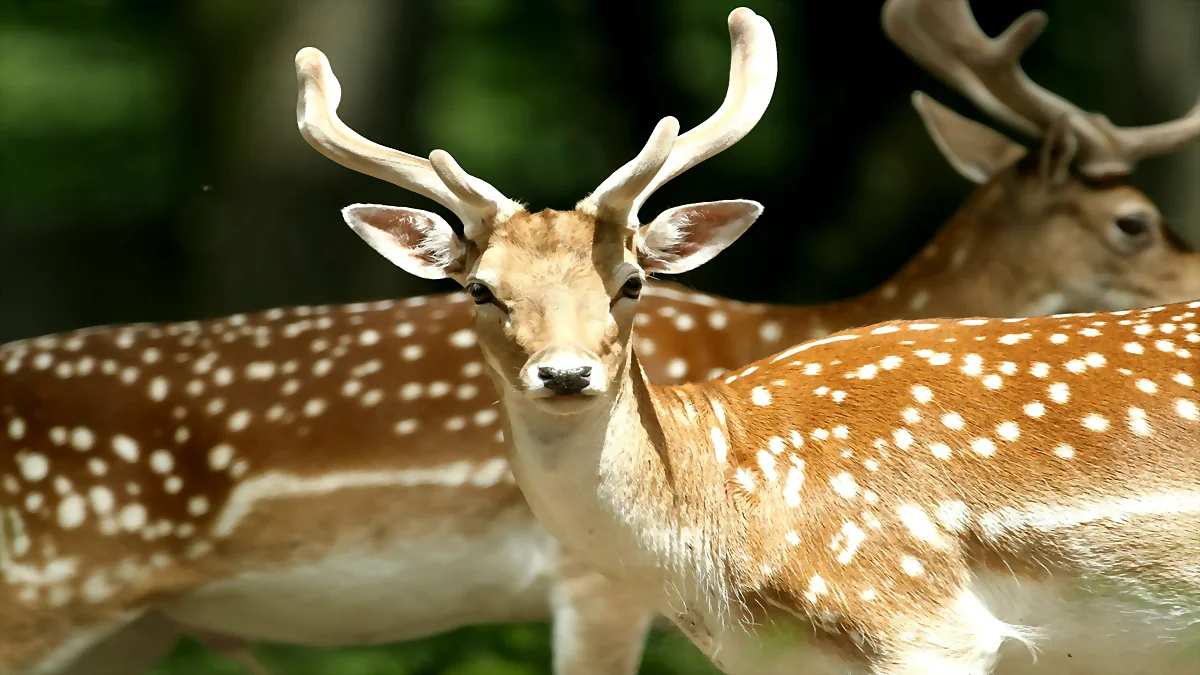
Deer Season Texas
- The rules for deer season in Texas are not the same for all deer; they are different for deer like the axis deer compared to the white-tailed deer.
- This is because Texas considers deer as a special kind of species.
- Hunters should always look at the state rules before they plan a trip to go hunting.
- The reason for this is that the rules, in an area that the landowners say is okay and how the wildlife is managed, can change as time goes on.
- When people hunt deer, it actually helps keep the deer population healthy and maintain their habitats.
Axis Deer Hawaii
The story of deer in Hawaii is really something to think about when it comes to taking care of the environment.
- Axis deer were brought to Hawaii a while back during the century.
- They got used to the weather and the plants on the islands in no time.
- Now you can see deer on islands like Maui and Lanai.
- The fact that the axis deer population is growing fast has also caused some problems.
- When there are a lot of deer in one place can hurt the crops and the native plants and even damage the environment.
- So people who take care of wildlife have to keep an eye on the axis deer population and think of ways to reduce the impact that his have on the environment while also making sure that the ecosystem stays healthy.
Axis deer are not just found in their home they have also been introduced to parts of the world and to several other regions besides Hawaii.
These include
- Australia
- Argentina
- Croatia
- Ukraine
- Brazil (in areas)
- United States
Their success in these countries shows how adaptable axis deer can be when they have suitable habitat and food.

What Do Deer Eat?
People often wonder what deer eat
- The deer is a little different, its diet changes, at times of the year.
- It basically eats what it can find.
- Deer really like to eat grass.
- They also like to eat leaves and fruits and flowers and seeds.
- They like to eat shoots that’re tender too.
- When deer eat kinds of plants deer get what deer need to grow and have babies and grow big antlers.
- Deer need to eat the foods to be healthy just like need to food to grow and have strong bodies.
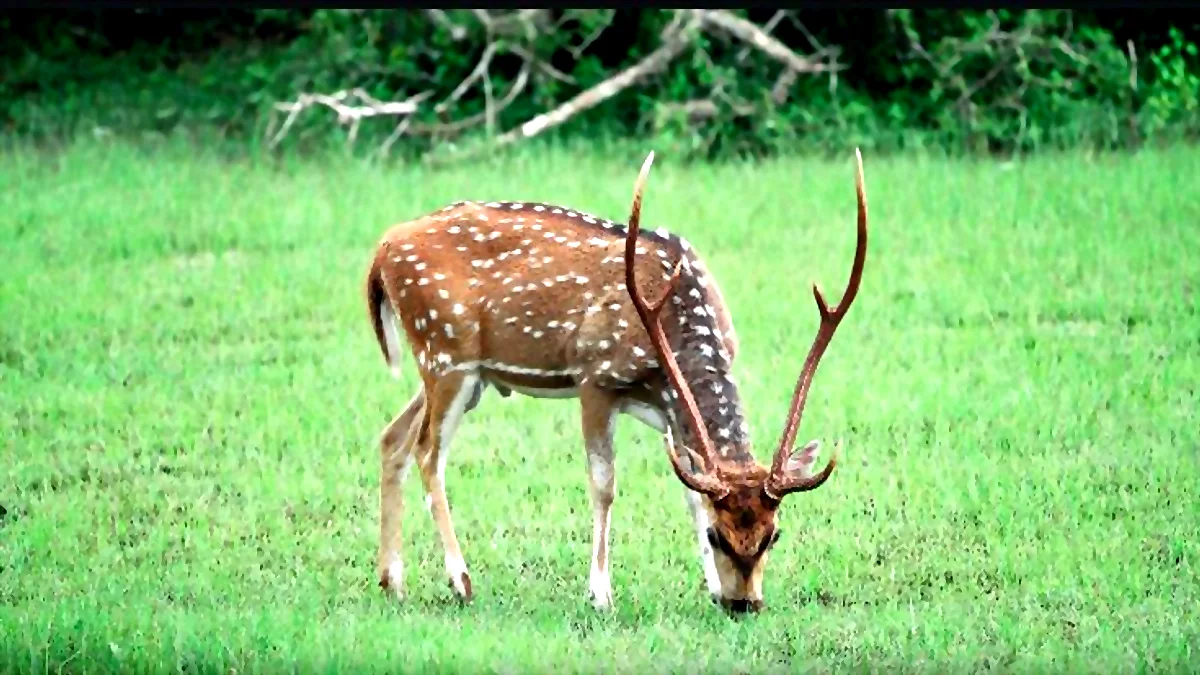
Deer Food: What Do Axis Deer Like To Eat?
The main things that axis deer like to eat are
- Axis deer love eating fresh grasses because they are very easy to digest. The deer need the things that’re in fresh grasses to stay healthy.
- When deer cannot find a lot of grass to eat deer will eat leaves from trees and bushes.
- This eat fruits that fall from trees to get the sugars and vitamins and minerals that deer need.
- Deer like to eat wildflowers and plants with flowers because they are full of things and they make the food of more interesting to eat.
- These deer like to eat the parts of plants that are growing. These are very good for deer to eat. Deer usually eat these during the season when they are easy to find.
- Mostly deer do not usually eat seeds.. Sometimes axis deer will eat them when are eating fresh grasses and other plants.
- The deer might eat bark from trees when cannot find a lot of food to eat.
- Did you know that deer do not like all plants? There are certain plants they avoid, including hardy plants.
A deer need water to drink every day need food to eat like to stay close to places where can get water all year round. Deer really like to have water near deer at all times because water is very important, for axis deer.
Feeding Behaviour
- Mostly deer are usually out and about in the morning and late afternoon.
- Many deer like these times because they can eat without getting too hot.
- When Axis deer eat they do it in groups.
- So some deer keep watch while the other deer are eating.
- This way the Axis deer can see if any predators are coming.
- Axis deer are really good at smelling things and hearing things. They can see a lot.
- This helps the deer spot predators before they get too close to the deer.
Behaviour of the Axis Deer
- The axis deer is a social animal and lives with its family.
- This deer usually stay in groups, which’s different from some other deer species that like to be alone most of the time.
- These groups keep deer safe, give them friends and protect them from animals that might want to hurt them.
- When deer are in groups they can warn each other of danger quickly. This helps baby deer survive better.
- Many deer are always on the lookout and careful even when they are eating.
- While some axis deer are eating others in the group will keep watch to make sure everything is okay.
- The size of deer groups can change depending on where they live, how much food is available and the time of year.
- A typical group of axis deer has adult females, baby fawns, young deer and several adult males.
- When there is a lot of food many groups of deer will come together.
- This can create groups of over 100 axis deer.
- Larger groups of deer are better at spotting predators and keeping individual from becoming prey.
- Adult male deer sometimes leave their group during mating season to compete with males before going back to their group.
Daily Activity
- Axis deer are really active when the sun is out. They like to do things at the same time every day.
- Early in the morning deer go out to eat grass and leaves. Deer need to eat so deer have energy to run around during the day.
- In the middle of the day: Axis deer find a spot in the forest or, under a tree to rest. It gets really hot outside.
- Late in the afternoon: Axis deer eat some more before the sun goes down. This gives Axis deer energy for the rest of the day and the night.
- At night deer stay awake and just rest. He does not sleep when it is dark outside. Sometimes he will even eat at night when the moon is shining if feel safe.
- This daily routine really helps save their energy. Axis deer are also very careful. He tries to stay away from things that might hurt.
Communication
Axis deer may seem quiet. They do communicate with each other. The animal make noise to warn the other deer when they see something bad the other deer hear this noise they get ready to run. Deer also use their bodies to tell the something is wrong they move their tails. Put their heads in a certain way to warn the other deer,s. The big male deer sometimes leave their smell on things to show the deer that this is their area this smell also helps the male deer find an when it is time to have babies.

Running Speed
The deer has things that help it survive. One of the things that helps the deer is its speed. An adult deer can run as fast as 40 miles per hour when is trying to get away from things that want to hurt the deer. The axis deer has legs and a strong body and muscles that help to the quickly get faster and make turns when the deer is running through forests and grasslands.
A lot of people do not know that the deer can swim. When the deer needs to, the can cross rivers and streams and lakes when the deer is looking for food or getting away from things that want to hurt the deer. The deer uses its senses a lot to survive. All of these senses work together to help the survive, in the wild.
Deer in Headlights
The phrase “deer in headlights” describes someone who freezes when something unexpected happens.
- This phrase comes from what deer do at night.
- They get confused by car lights.
- They stand still then run fast.
- The bright light messes with a deer’s ability to see where they are and how far things are.
- Deer, like axis deer, get confused by lights.
- Deer just do not know what to do.
- When driving, slow down in areas with deer.
- This is especially true, during morning and late afternoon when deer are most active.
- You should be careful because deer are around.
- Deer can be seen in these areas so be alert.
Reproduction and Life Cycle
The Chital deer reproduction and life cycle are really connected to the environment. How much food is around. The axis deer can have babies at any time of the year in lots of places. They usually do it when they have a lot of food. When it is time to find a mate the big male show off their antlers. How strong they are to the females. After the female axis deer mate, the female deer carries the baby deer for about 7 to 8 months before it is born.
The baby axis deer is usually born by itself. Has white spots that help it hide in the grass and trees so it can avoid things that might hurt it. As the baby deer grows up it learns how to take care of itself from its mother and the other deer. This deer usually live for 9 to 13 years when they are in the wild but the deer that live in parks or zoos can live longer if people take good care of them.
Early Development
During the weeks of its life a mother deer keeps her fawn hidden. She returns often to feed it. As the fawn grows stronger it starts to follow deer. It learns survival skills. The fawn learns to recognise danger. It finds food on its own also identifies deer stays away from animals that might harm it.
Within a month the fawn starts to do things on its own.. It still stays close to its mother. The fawn and its mother spend a lot of time together. They do this even as the fawn becomes more independent.
The fawn and mother deer are still close.
Predators of the Axis Deer
Axis deer are really fast. They have great senses but they are still animals. Many animals need deer as food to survive.
Some of the animals that like to eat axis deer include
- Bengal Tiger
- Leopard
- Dole, which is also called the Asian Wild Dog
- Mugger Crocodile
- Wolves but only in some places where they were introduced
Baby axis deer, called fawns, can also be eaten by birds or small animals that eat meat if they do not have anyone to protect them. Axis deer are a food source for many animals.
Defence Strategies
fighting predators directly axis deer rely on several survival techniques.
Early Detection
Excellent hearing and smell allow them to notice danger before predators approach.
Herd Protection
Large groups increase vigilance because many animals are watching at the time.
High-Speed Escape
Their powerful legs enable acceleration, across open ground.
Zigzag Running
The axis deer makes changes in direction when it runs, which makes it really hard for predators to guess where the axis deer is going.
Alarm Calls
When one axis deer sounds an alarm call the entire group of axis deer starts running in a few seconds.
Lifespan of the Axis Deer
The lifespan of a deer depends on things. These things include the quality of its home, how food it can find, if it gets sick and if there are animals that want to hurt it. In the wild axis deer usually live between 9 and 15 years. Axis deer that live in safe places like parks or zoos can live a lot longer up to 18 to 20 years. This is because they get food, they see a doctor when they are sick and they are safe from animals that might hurt them.
Factors That Affect Lifespan
There are factors that affect how long an axis deer lives, including
- Availability of nutritious food
- Access to clean water
- Habitat quality
- Predication
- Disease
- activity
- Climate conditions
The axis deer lives longer in healthy habitats with plenty of vegetation.
Axis Deer Hunting
Hunting in a way is also important for taking care of the environment. In some places there are many axis deer and hunting helps keep everything balanced. It also helps the plants that’re native to the area. Hunters should always follow the rules, get the permits and hunt in a way that respects the animals and where they live.
Axis deer hunting is really popular now. People want to hunt axis deer because they want a trophy and they want to see if they are good at hunting. They are hard to find so hunting them is a challenge. You can hunt deer at any time of the year, which is not true for other animals.
Why people like to hunt axis deer
- Axis deer have antlers that people like to hang on their walls. Its deer antlers are very tall. They look really good.
- The meat is very good to eat. It tastes mild so people like to eat Chital deer meat. This meat is one of the meats you can get from wild animals.
- You can hunt deer at any time of the year in some places. This is not true for animals so people like to hunt axis deer.
- Hunting deer is hard. It is a deal when you are successful at hunting axis deer. Deer are very fast and they can see well so you have to be patient and quiet when you hunt a deer.
Ethical Hunting Practices
Ethical hunting supports both wildlife conservation and responsible land management. Good hunting practices include following regulations obtaining the required licenses respecting private property taking safe and responsible shots avoiding unnecessary disturbance to wildlife and using harvested animals responsibly.
Deer and Venison
The word venison is about the meat that comes from deer, so deer and venison are very connected. A deer is a living creature and venison is the meat that we get from deer after they are harvested. Axis deer venison is really well liked because it is naturally lean and tender. It is rich in protein.
Nutritional Value of Venison
Venison is a source of protein. It has high quality protein, iron, zinc, vitamin B12 and it has selenium.
Venison also has fat, then a lot of other red meats that people raise at home which makes venison a healthy choice when we cook it in a healthy way.
Common Venison Dishes
Venison is a type of meat that people cook in different ways. It really depends on where you’re from. Some people like to make grilled venison steaks. Others like to roast venison. You can also make venison burgers or venison stew. Some people even like to cook a big venison roast or smoke venison. If you cook venison the way it will stay tender and taste really good. Venison has a flavour that people like so it is nice when you can keep that natural flavour of venison in the venison meat.
Conservation Status
The axis deer is currently classified as Least Concern due to its population and wide distribution.
However local populations can still face challenges and conservation efforts focus on protecting habitats, maintaining healthy ecosystems and ensuring that wildlife populations remain sustainable.
Threats to Axis Deer
Despite their success, axis deer face threats, including habitat loss, illegal hunting, human-wildlife conflict and climate change. Habitat loss and fragmentation can reduce habitat for axis deer while illegal hunting and human-wildlife conflict can negatively impact deer populations.
Conservation Efforts
Wildlife organisations and government agencies work together to protect deer through several conservation strategies, including protecting natural habitats, establishing wildlife reserves and national parks, monitoring wild populations, preventing illegal hunting, educating local communities and supporting scientific research.
White Tailed Deer vs Axis Deer
The axis deer and the tailed deer are different species with distinct characteristics. Deer has a brown coat with permanent white spots while the white-tailed deer has a brown coat that changes seasonally. Chital deer also has three-tuned antlers while the tailed deer has multi-point antlers.
Axis Deer vs Sambar Deer
Another well-known species of Asian deer exists that is quite different from the ‘axis deer’. This deer has a reddish-brown body marked with white spots, whereas the ‘sambar deer’ has a dark brown body without spots. The axis deer has three-tined antlers, while the sambar deer has large, rough antlers.
Conclusion
Axis Deer is a pretty spotted animal. It plays a role in its ecosystem. Its special looks, calm nature and social behaviour make it interesting to learn about. Deer can also adapt to hard places, which is pretty cool. Like many wild animals the Deer faces problems such as losing its home and human activities. We can understand why it needs our help. If you are studying wildlife want to see deer in person or just want to know more. The Axis Deer teaches us a lot about nature’s beauty and balance.