
Can Dogs Eat Cucumbers? A Complete Guide to Benefits, Risks, and Safe Feeding
If you own a dog, you’ve probably seen it happen. You’re cutting vegetables. Your dog walks over. Then comes that look. Curious eyes. Wagging tail. Waiting for a bite. One question comes up again and again. Can dogs eat cucumbers?
The short answer is yes. Most healthy dogs can safely eat fresh cucumbers. They are low in calories. Full of water. Crunchy too. Many dogs actually enjoy them. But hold on. That doesn’t mean you should toss your dog half a cucumber.
The way you serve it matters. The amount matters. Even your dog’s age, breed, and health can make a difference.
Some dogs eat cucumbers without any problem. Others may end up with a mild upset stomach after eating too much. It’s not common, but it happens. That’s why understanding the right serving size is important.
In this guide, you’ll learn everything you need to know. The benefits. The possible risks. How much cucumber dogs can eat. Whether the skin and seeds are safe. And which dog breeds may need extra care.
Can Dogs Eat Cucumbers Safely?
Yes. Dogs can eat cucumbers safely when they are served the right way.
Fresh cucumber is considered one of the safest vegetables for dogs. It contains very little fat. Very little sugar. And almost no unnecessary calories.
If you own a dog that always comes up to beg for snacks, you have surely asked questions like “Can my dog eat cucumbers?” or “Can dogs eat cucumbers?” many times. It is safe for healthy adult dogs to eat cucumbers occasionally as a treat, but cucumbers must never be fed as a replacement for regular meals. Before feeding cucumbers to your dog, remember to wash them thoroughly to remove pesticide residues. And cut them into small pieces first. Small dogs need tiny bites. Larger dogs can handle bigger pieces. Still, don’t make them too large. A dog that swallows food quickly could choke. Another thing worth remembering. Never season cucumbers. Skip the salt, garlic powder, onion powder, and any sauces. Plain cucumber is always the safest choice. Dogs don’t need any of that. Plain is best. Simple works.
Are Cucumbers Good for Dogs?
Yes. They really are. Cucumbers may not be a superfood, but they offer several benefits that make them a smart snack. First, they’re mostly water.
Around 95% of a cucumber is water, which helps dogs stay hydrated. That’s especially useful during summer or after a long walk. Second, they’re naturally low in calories. This makes cucumbers an excellent option for dogs or dogs following a weight-control plan.
Instead of giving high-calorie biscuits every day, many owners switch to fresh vegetables. Cucumbers are often near the top of that list. They’re crunchy Refreshing Easy to prepare. Dogs seem to enjoy that texture. Keep in mind, though. Cucumbers should never replace complete dog food.
Your dog still needs balanced nutrition from a high-quality diet. Cucumbers simply add a healthy extra.
If your dog already enjoys fresh fruits, you may also like our guide on Can Dogs Eat Blueberries, where we explain another nutritious snack packed with natural antioxidants.
Likewise, our article on Can Dogs Eat Bananas discusses when bananas are a healthy choice and when portion control becomes important because of their natural sugar content.
Nutritional Value of Cucumbers
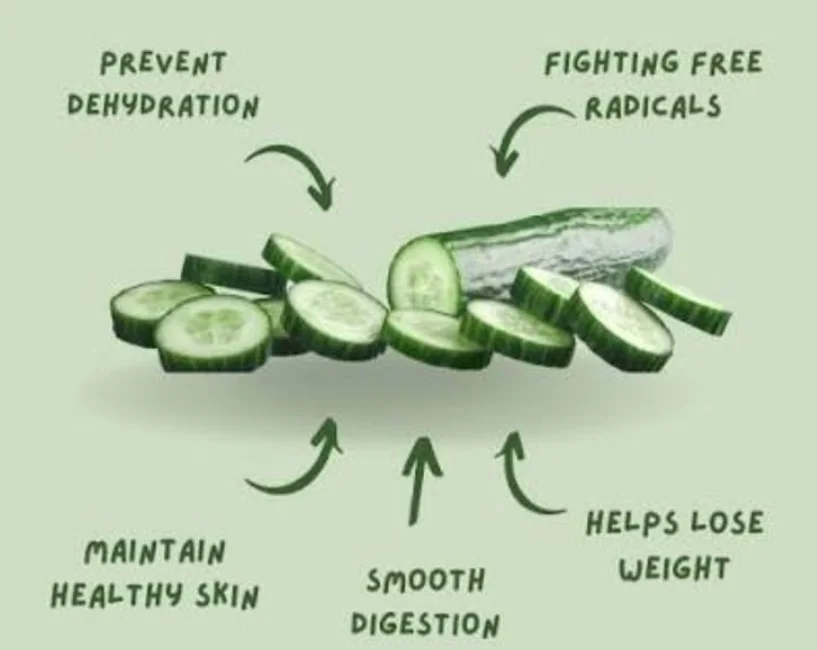
People often think cucumbers only contain water. That’s not entirely true. While water is their biggest component, cucumbers also provide small amounts of important vitamins and minerals.
Here’s a quick overview.
| Nutrient | Why It Matters for Dogs |
| Water | Helps support hydration |
| Vitamin K | Supports healthy bones and normal blood clotting |
| Potassium | Helps muscles and nerves function properly |
| Vitamin C | Supports healthy cells |
| Magnesium | Plays a role in normal body functions |
| Fiber | Helps digestion when fed in moderation |
No, cucumbers won’t meet all of your dog’s nutritional needs. But that’s not their job. Think of them as a healthy bonus: a fresh reward, something your dog can enjoy between meals.
Health Benefits of Cucumbers for Dogs
Fresh cucumbers offer several benefits when fed correctly.
Let’s look at the biggest ones.
Helps Keep Dogs Hydrated
Dogs lose water throughout the day: hot weather, exercise. Playtime. All of it increases their need for hydration. Since cucumbers contain so much water, they can provide extra moisture alongside fresh drinking water. They’re especially refreshing on warm afternoons.
A Low-Calorie Healthy Treat
This is probably the biggest advantage: many commercial treats contain unnecessary calories. Some also contain artificial flavors and preservatives. Cucumbers don’t. They’re naturally low in calories while still giving dogs something crunchy to enjoy. That’s a win for many pet owners.
Supports Healthy Weight Management
If your dog needs to lose a little weight, cucumber slices can become a better reward than calorie-heavy snacks. They satisfy chewing instincts without adding much energy to the diet. Treats should never exceed about 10% of your dog’s daily calorie intake. Balance always matters.
Provides Helpful Nutrients
No, cucumbers aren’t packed with protein. They aren’t meant to be. But they do provide useful nutrients that support overall health: small amounts of vitamins, a little potassium, and some magnesium. Every little bit helps.
Crunchy Texture Dogs Love
Some dogs simply love crunchy foods. You probably noticed that already. The crisp texture makes cucumbers more exciting than soft vegetables. Many owners even use small cucumber pieces during training sessions. Healthy, simple, easy to carry.
Can Dogs Eat Raw Cucumbers?
Yes. They can.
In fact, raw cucumbers are the best choice for dogs. No cooking needed. No seasoning either.
Many owners ask, can dogs eat raw cucumbers or can dogs eat cucumbers raw? The answer is the same. Fresh, plain cucumbers are generally safe for healthy dogs. Raw cucumbers keep their natural nutrients. They also stay nice and crunchy. Most dogs seem to enjoy that texture. But don’t hand your dog a whole cucumber. Slice it first. Small dogs need smaller pieces. Large dogs can handle bigger bites, but they should still be easy to chew. If your dog has never eaten cucumber before, start with one or two slices. Then wait and see how your dog reacts over the next few hours. No stomach upset? Great. You can offer it again another day.
Can dogs eat cucumber peels? Most healthy dogs
can. Cucumber peels are not toxic, and they are rich in dietary fiber. However, one key note is that commercially sold cucumbers may have edible wax or pesticide residues; these can be removed by thoroughly rinsing the cucumbers under running water. For dogs with sensitive gastrointestinal systems, it is recommended to peel the cucumbers before feeding them to the dogs.
Can Dogs Eat Cucumber Peels?
Yes. The peel is generally safe.
Still, if the peel looks thick or feels tough, removing it can make chewing easier. This is especially helpful for puppies and senior dogs.
Can Dogs Eat Cucumber Seeds?
I have some good news for all pet owners: fresh cucumber seeds are safe for the vast majority of dogs. They have a soft texture that is
easy to digest, and they are completely non-toxic. Dogs can eat both cucumber seeds and cucumbers that still have their seeds in them. However, the seeds of fully grown cucumbers can become larger and harder. So it is best to remove these seeds in advance. If you are giving the cucumber to a miniature dog, or a dog that eats its food very quickly.
Quick Safety Guide
| Cucumber Part | Safe? | Recommendation |
| Flesh | Yes | Best part to feed |
| Skin | Yes | Wash well before serving |
| Peel | Yes | Remove if your dog has a sensitive stomach |
| Soft Seeds | Yes | Safe in moderation |
| Large Hard Seeds | Better to remove | Especially for puppies and toy breeds |
Are There Any Risks of Feeding Cucumbers?
Cucumbers are considered safe.
But safe doesn’t mean unlimited.
Even healthy foods can cause problems if they’re fed the wrong way.
Let’s look at the most common risks.
Choking Hazard
This is probably the biggest concern. Dogs don’t always chew their food well. Some simply gulp it down.
Large cucumber chunks can become a choking hazard, especially for:
- Chihuahuas
- Yorkshire Terriers
- Pomeranians
- Puppies
- Senior dogs
Cutting cucumbers into bite-sized pieces solves most of the problem. Simple step and big difference.
Digestive Upset
Too much cucumber isn’t a good idea.
Some dogs may experience:
- Loose stools
- Mild diarrhea
- Gas
- Bloating
- Temporary stomach discomfort
Usually, it happens because the dog ate too much at once.
Moderation is key.
Overfeeding
Your household’s dog may love eating cucumbers, but that does not mean it can eat them every day.
Remember.
Cucumbers may only be used as a snack, and they must never replace main meals. Veterinarians generally advise that snacks should not exceed 10% of a dog’s total daily calorie intake, with the remaining calories coming from nutritionally balanced commercial dog food. Never feed pickled cucumbers to dogs.
Is fresh cucumber safe? Yes. What about pickled cucumbers? No. Pickled cucumbers usually contain salt, garlic, onions, vinegar, and spices. None of these ingredients are suitable for dogs, and some can even harm their bodies. You must feed your dog only fresh cucumbers.
How Much Cucumber Can Dogs Eat?

This depends on one thing: your dog’s size. A Great Dane obviously shouldn’t eat the same amount as a Chihuahua; age matters too.
So does activity level. If you’re introducing cucumber, start small and watch your dog. If everything looks normal after 24 hours, you can continue offering cucumber occasionally.
Recommended Serving Guide
| Dog Size | Common Breeds | Safe Serving Size | How Often |
|---|---|---|---|
| Toy Dogs | Chihuahua, Pomeranian, Yorkshire Terrier | 2–3 small slices | 2–3 times a week |
| Small Dogs | Shih Tzu, Maltese, Pug, French Bulldog | 3–5 slices | 2–3 times a week |
| Medium Dogs | Beagle, Border Collie, Cocker Spaniel | 5–8 slices | 2–3 times a week |
| Large Dogs | Labrador Retriever, Golden Retriever, Boxer, German Shepherd | 8–10 slices | 2–3 times a week |
| Giant Dogs | Great Dane, Saint Bernard, Mastiff, Newfoundland | Up to ½ cup, chopped | 2–3 times a week |
Tip: Every dog is different. These serving sizes are general recommendations for healthy adult dogs. Dogs with medical conditions or special diets should follow their veterinarian’s advice.
Can Dogs Eat English Cucumbers or Mini Cucumbers?
Yes. Both are safe.
Many owners ask whether dogs can eat English cucumbers or whether dogs can eat mini cucumbers because they look different from regular cucumbers. The good news? They are almost the same when it comes to safety.
English Cucumbers
These usually have:
- Thin skin
- Fewer seeds
- Mild flavor
Many dogs digest them very well.
Mini Cucumbers
Mini cucumbers are also safe. They’re smaller. Crunchier too. Some owners actually prefer them because they’re easier to cut into training treats. No matter which variety you choose, always serve them plain. Seasoning, no dressing. and dip.
How to Prepare Cucumbers for Dogs
Preparation takes only a minute.
It can make a big difference.
Follow these simple steps.
- Wash the cucumber well.
- Peel it if the skin is thick or waxed.
- Cut it into bite-sized pieces.
- Remove large hard seeds if needed.
- Serve it plain.
- Introduce small portions first. That’s it: easy and safe, healthy.
Dogs That Should Avoid Cucumbers
Cucumbers are safe for most healthy dogs. But not every dog is the same. Some dogs need a little extra care before trying new foods.
Talk to your veterinarian first if your dog has:
- A sensitive stomach.
- Ongoing digestive problems.
- Chronic diarrhea.
- Food allergies.
- Trouble chewing or swallowing.
- A medical condition that requires a special diet.
If your dog eats cucumber for the first time, keep an eye on them for the next 24 hours. No problems? Great. For more information about safe foods and healthy treats, the American Kennel Club (AKC) provides helpful guidance for dog owners.
You can continue offering small amounts as an occasional treat.
Safe Fruits and Vegetables Dogs Can Eat
Cucumbers aren’t the only healthy option.
Several fruits and vegetables can be part of a balanced treat routine.
Here’s a quick comparison.
| Food | Safe for Dogs? | Notes |
| Cucumber | Yes | Low in calories and high in water. Great for hydration. |
| Blueberries | Yes | Rich in antioxidants. Feed in moderation. |
| Bananas | Yes | High in potassium but also natural sugar. |
| Strawberries | Yes | Contains fiber and vitamin C. |
| Watermelon | Yes | Remove the seeds and rind before serving. |
| Carrots | Yes | Crunchy and good for chewing. |
| Pumpkin | Yes | Can help support healthy digestion. |
| Grapes | No | Toxic to dogs. Never feed them. |
| Onions | No | Can damage a dog’s red blood cells. |
| Garlic | No | Toxic when eaten in large amounts. |
If you’re looking for more healthy snack ideas, you can also read our detailed guides on Can Dogs Eat Blueberries, Can Dogs Eat Bananas, Can Dogs Eat Strawberries, and Can Dogs Eat Watermelon. Each food offers different nutritional benefits, so variety is usually better than feeding the same treat every day.
Frequently Asked Questions
Can dogs eat cucumbers every day?
Technically, yes. But they probably don’t need to. Cucumbers are best served as an occasional treat. A few times a week is usually enough for most healthy dogs.
Can my dog eat cucumber every day?
Your dog can eat small amounts if there are no digestive issues. Still, variety matters. Mix healthy treats instead of relying on one food all the time.
Can dogs eat cucumber skin?
Yes. The skin is generally safe. Just wash it well before serving. If your dog has a sensitive stomach, peeling it may be the better option.
Can dogs eat cucumbers with seeds?
Yes. Soft cucumber seeds are safe for most dogs. Large mature seeds should be removed if they look hard or difficult to chew.
Can puppies eat cucumbers?
Yes. But only in small pieces. Puppies have smaller mouths and more sensitive digestive systems, so always introduce new foods slowly.